
Meet Pearlynne Leong

Pearlynne Leong, BSc, BEd.
Founder of Pro Math Coach | Creator of Simplicity Counts™ Math | BC Certified K-12 Teacher | Certified Life Coach
Math Anxiety Specialist
Pearlynne Leong is often known as the “Last Resort Math Coach,” specializing in helping children who continue to struggle despite previous tutoring, learning centres, or repeated attempts to catch up.
She is the Founder of Pro Math Coach, creator of the proprietary Simplicity Counts™ Math System, a BC Certified Teacher, and Certified Life Coach.
Born and raised in Singapore and professionally trained as an educator at the University of British Columbia, Canada, Pearlynne's approach draws upon her Singapore Math background, professional teacher training, and decades of experience working with children who struggle with math.
Through this experience, she developed the proprietary Simplicity Counts™ Math System to rebuild a child’s ENTIRE math foundation from scratch, teach powerful and efficient math techniques, and replace years of anxiety and self-doubt with genuine competence and confidence — in a relatively short period of time.
At the heart of her approach is one simple philosophy:
Simplicity Counts™
Math doesn't need to be complicated to be powerful.
By stripping away unnecessary complexity and focusing on clear, efficient methods, children don't simply catch up — they build a strong math foundation and develop powerful math and algebra techniques they can carry with them throughout their academic journey and beyond.
The goal?
To help individuals experience genuine success in math through their efforts, and gain a newfound confidence and self-beliefs that extend far beyond the classroom, and discover their true potential.
Maximum Results in Minimum Time
Welcome to My Story
Pearlynne Leong, Founder of Pro Math Coach

Hiding out… I like my simple space and privacy. It helps me think and recharge. :)
It Began with Singapore Math
Hello, I'm Pearlynne.
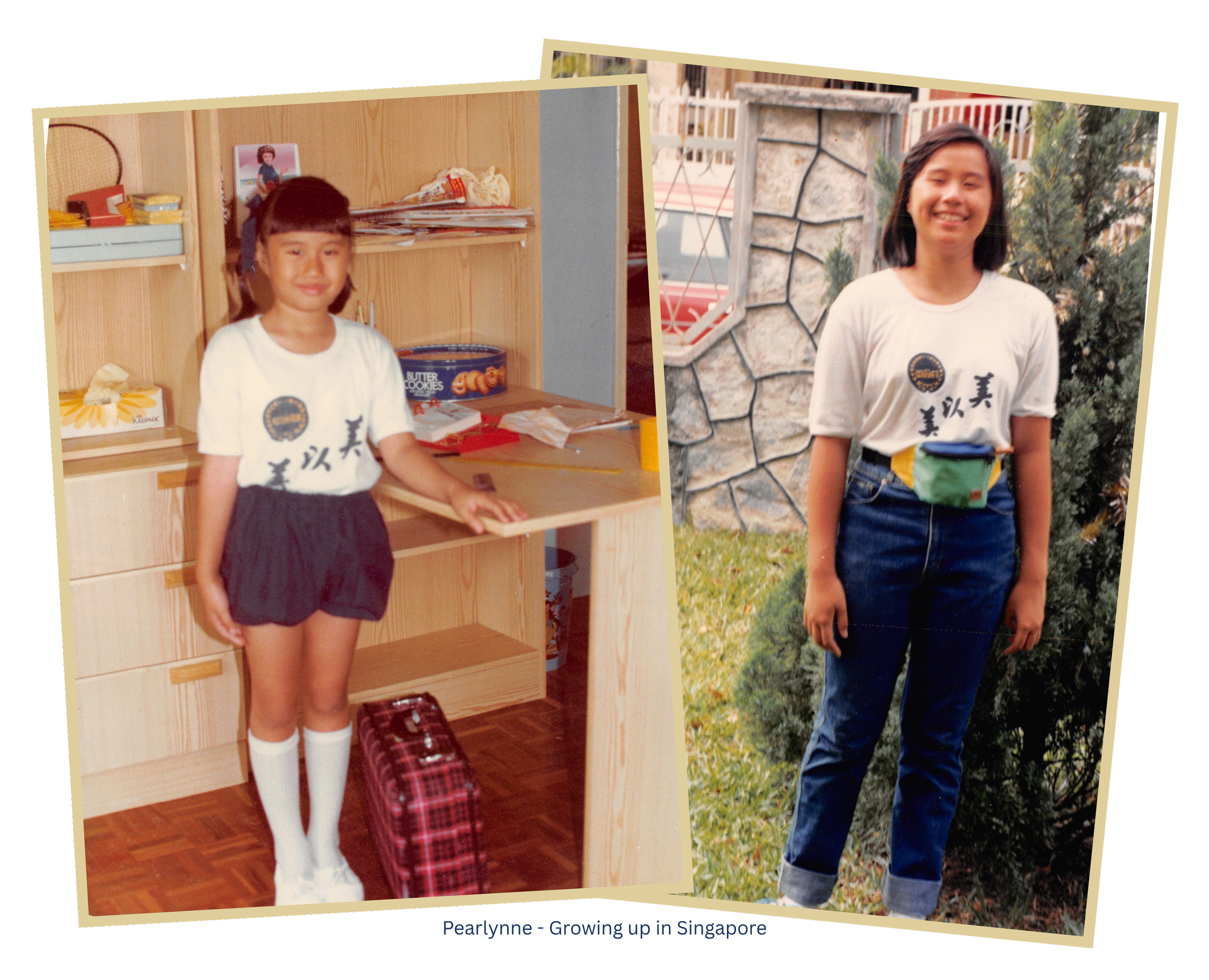
I was born and raised in Singapore, where mathematics was simply part of the educational culture in which I grew up.
At Methodist Girls' School, I was fortunate to learn from a team of highly skilled and dedicated teachers who introduced me to powerful techniques and taught me how to “Show Your Work” — lessons that stayed with me long after those school years ended.
Alongside my school education, I also had a private math tutor who sharpened my problem-solving abilities by nudging and challenging me to reach the next level.
At the time, I didn't fully appreciate what I had been given. It wasn't until many years later, after moving to Canada and working with children who struggled with math, that I began to realize just how valuable — and pivotal — those foundations had been.


The Student I Couldn't Help
During my university years, I was hired to tutor a Grade 11 student named Kimberley.
Kimberley dreamed of becoming a pediatrician. But despite our many tutoring sessions, her math grade continued to hover around 50%.
I helped her with the math she was currently learning - but I didn't yet understand how to identify and systematically rebuild the years of missing foundations underneath it.
Eventually, her math results became a barrier to the academic path she hoped to pursue.
I never forgot her.
Her experience stayed with me for years. I had wanted so badly to help her succeed, yet despite all the time we spent together, I couldn't. I felt helpless — and, in some ways, responsible.
Becoming a Teacher
Years later, I pursued my Education degree at the University of British Columbia and became a teacher.
While completing my teacher training, I continued tutoring math on the side — and began seeing the same troubling pattern again and again.
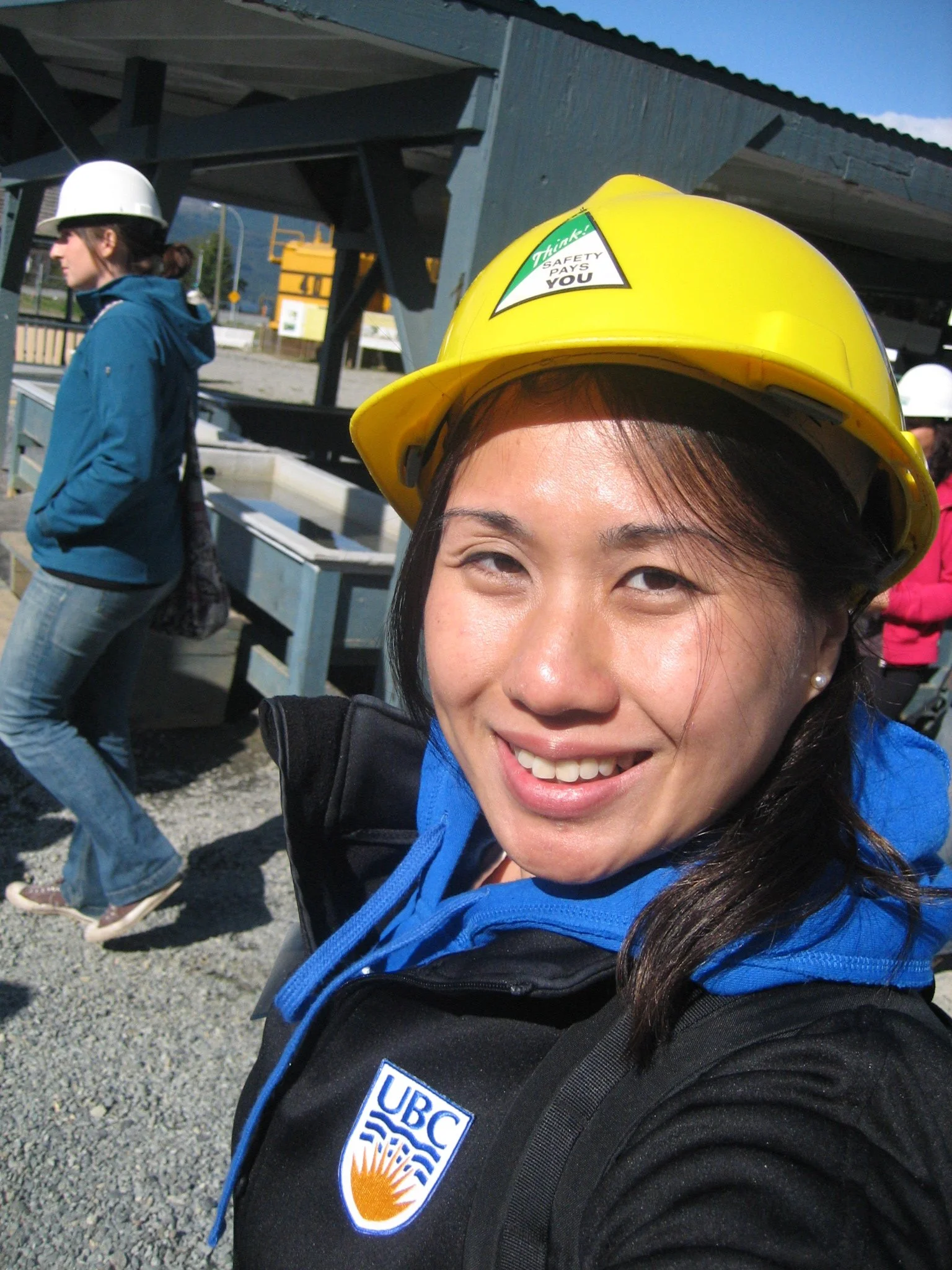
Pearlynne at Teacher Training
- Britannia Mines, Squamish BC
By the time some children came to me for tutoring, they had already developed tremendous anxiety around math. Their confidence had deteriorated. Numbers themselves could trigger frustration, avoidance, or fear.
I was helping them with the math they were currently learning, but more tutoring on the current material wasn't necessarily solving the underlying problem.
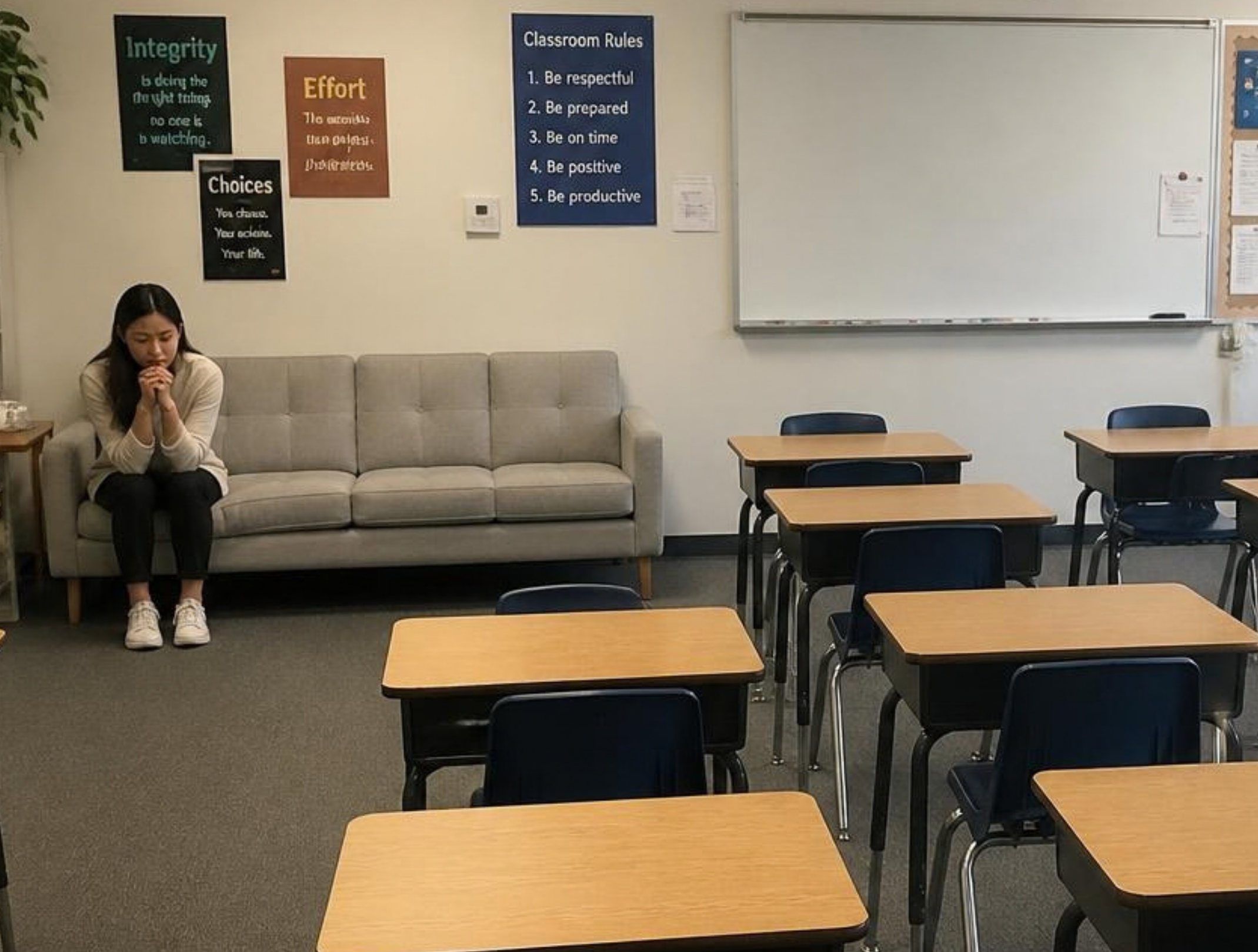
That sense of helplessness began to feel painfully familiar. It brought me back to Kimberley and how helpless I had felt years earlier when, despite all my efforts, I couldn't help her succeed.
And now I was experiencing it again.
I began questioning whether I should even be in the teaching profession. At one point, I seriously considered giving up on becoming a teacher altogether.
But I couldn't let go of what I was seeing: these children weren't struggling because they lacked intelligence or potential. Something else was missing. I just couldn’t figure out what it was.
There had to be a better way.

The Birth of Simplicity Counts™
One rainy November evening, sitting in a local café with a latte and my journal, I found myself mulling over the children I had been tutoring, the limitations I kept encountering, and the helplessness I continued to feel.
Then, seemingly out of nowhere, it was as though a little voice whispered in my ear:
“What if you combined the mathematics you had learned growing up in Singapore with everything you had learned as a Canadian-trained educator?”
Eureka, that was it! A lightbulb went off.
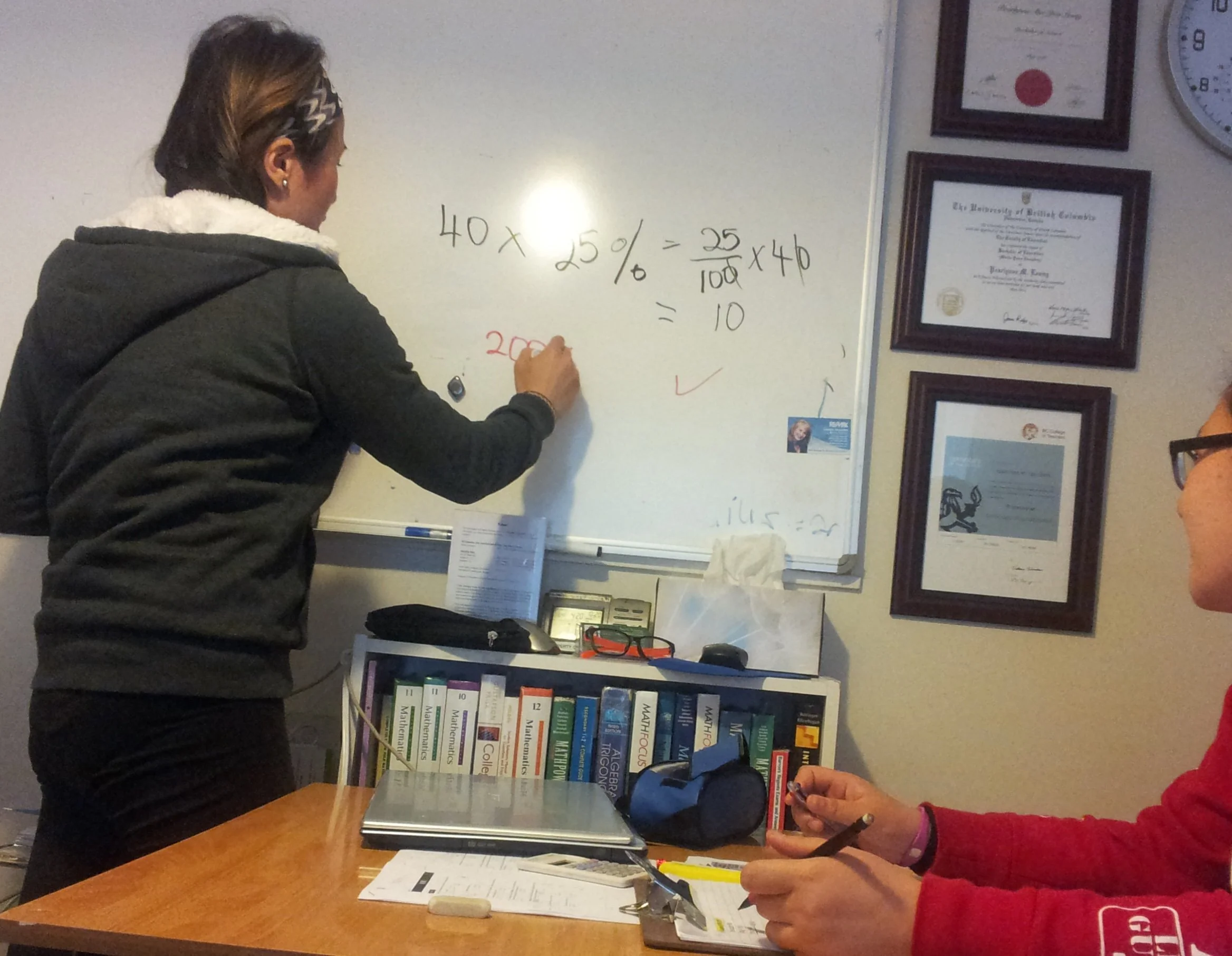
I began experimenting with the children I was tutoring at the time. Instead of continually chasing the child's current homework, I took a huge risk. Like a salmon swimming upstream against the current, I went backwards — and I went deep.
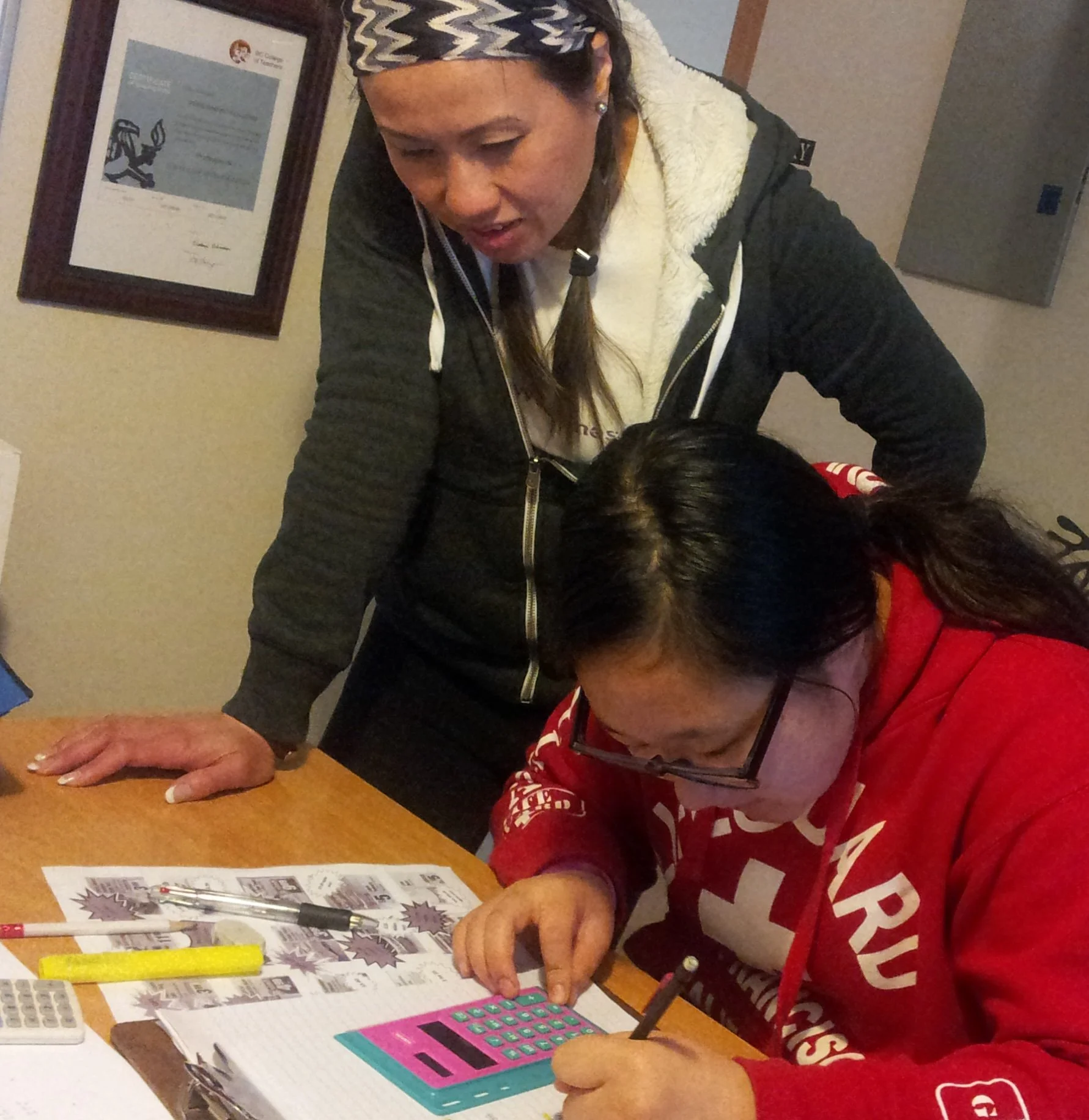
I identified the missing foundations. I simplified complicated concepts. I introduced efficient math techniques, clearly defined steps for “Show Your Work,” and problem-solving strategies I had learned through my own mathematics education in Singapore.
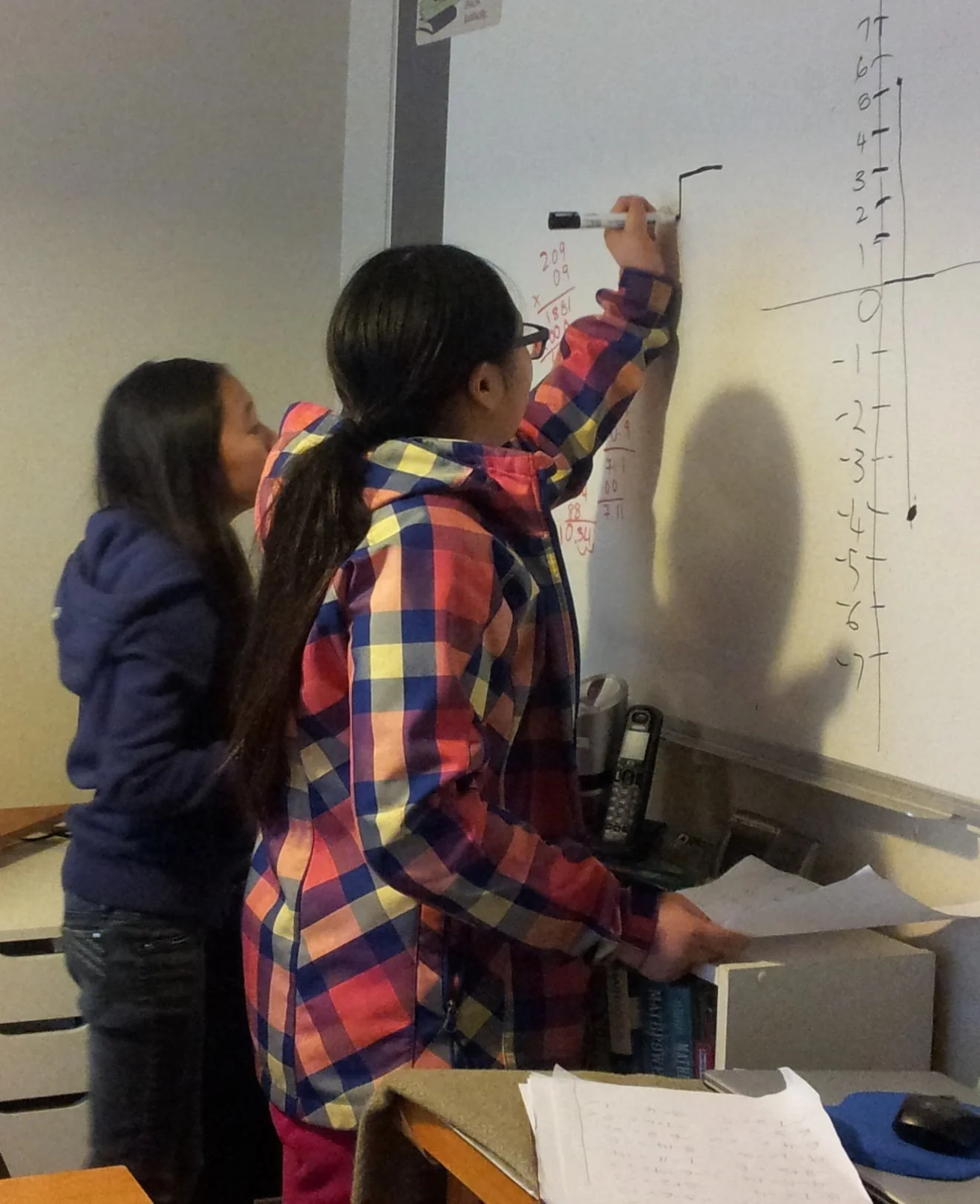
Equally important, I began paying attention to the child's relationship with math itself — how years of struggling had shaken and depleted their confidence, and how experiencing success with math began to transform the way they saw themselves: as powerful and capable.
The changes were remarkable.
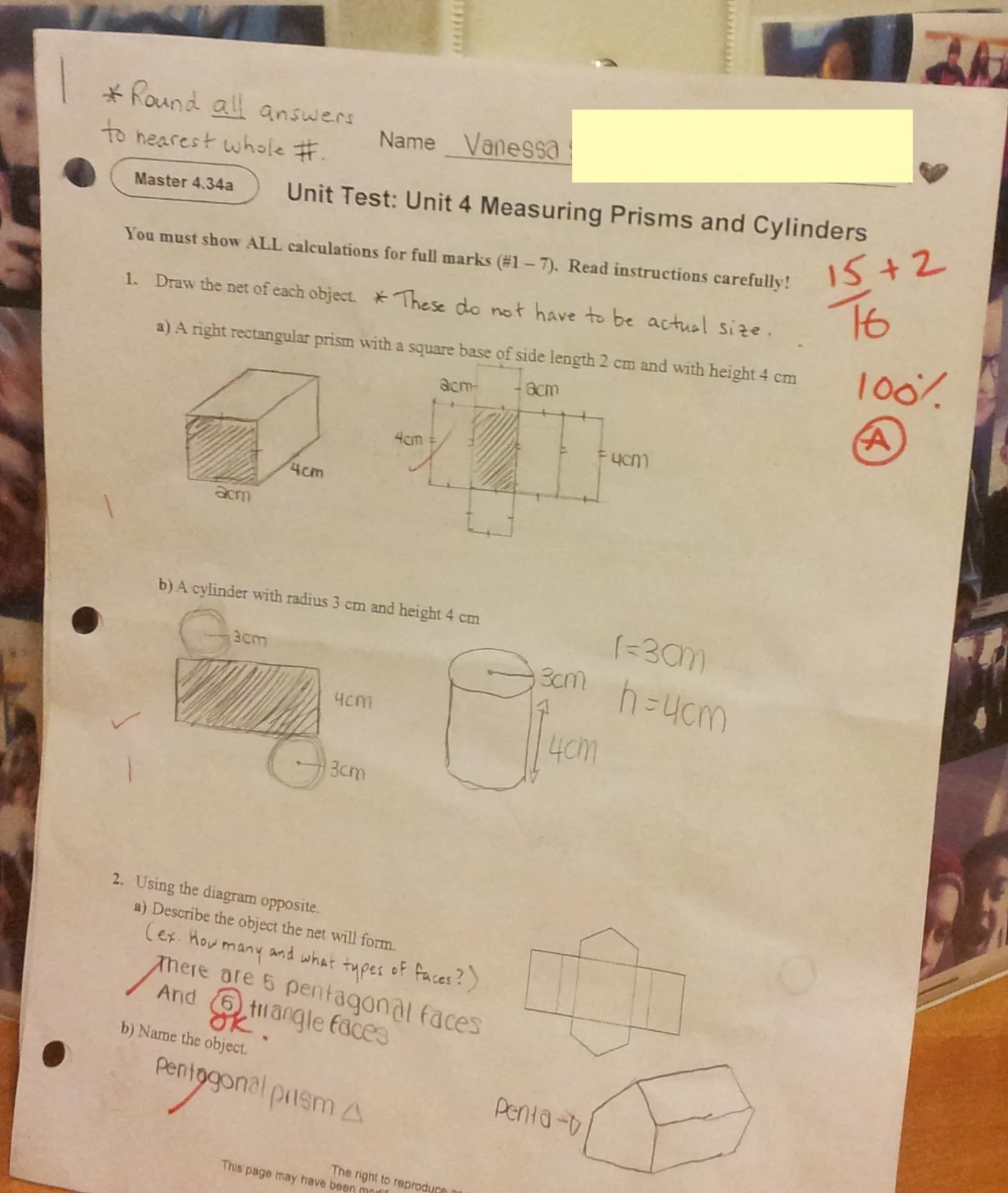
Children who had struggled for years began grasping mathematics that had once overwhelmed them. Some improved by one to two letter grades within four months. But what affected me most wasn't simply the grades.
It was watching their self-esteem and confidence return — and seeing that sparkle bring life back into their eyes.
That became the birth of Simplicity Counts™ Math.
Why Simplicity Counts™
The name itself came to me during one of those moments when I was by myself, my mind wandering, simply staring off into space. I've always liked to keep things simple, and somehow, the word simplicity came to mind.
Then, almost immediately — and seemingly out of nowhere — I could have sworn someone had heard my thought and blurted out, loud and clear, right next to me, say: “COUNTS!”
I was so startled I almost fell off my chair. The timing of the wordplay was so cheekily clever and perfect, who could have said that?
And just like that, the name was born.
Math Doesn’t Need To Be Complicated To Be Powerful!

The more I thought about it, the more I realized those two words captured exactly what I believed about teaching math.
Simplicity Counts™
And at the heart of it is a simple philosophy:
Math doesn't need to be complicated to be powerful.
That philosophy became the foundation for how I developed Simplicity Counts™ — simplifying what feels complicated while rebuilding what may have been missed along the way.
Simplicity Counts™ systematically rebuilds essential foundations while teaching children clear, efficient math and algebra techniques designed to stay with them long after our coaching ends.
Children aren't simply taught how to complete today's assignment. They build foundational knowledge, master powerful and efficient methods, and learn how to recognize and apply the right strategies to different problems and situations.
Over time, they develop the clarity, precision, and confidence to approach unfamiliar math with greater independence — gradually replacing “I can't do this” with something far more powerful:
“I can do this.”
And ultimately, I realized this work was about far more than building stronger math skills. It was about helping children experience themselves doing something they once believed they couldn't — and, little by little, beginning to see just how capable they really are.
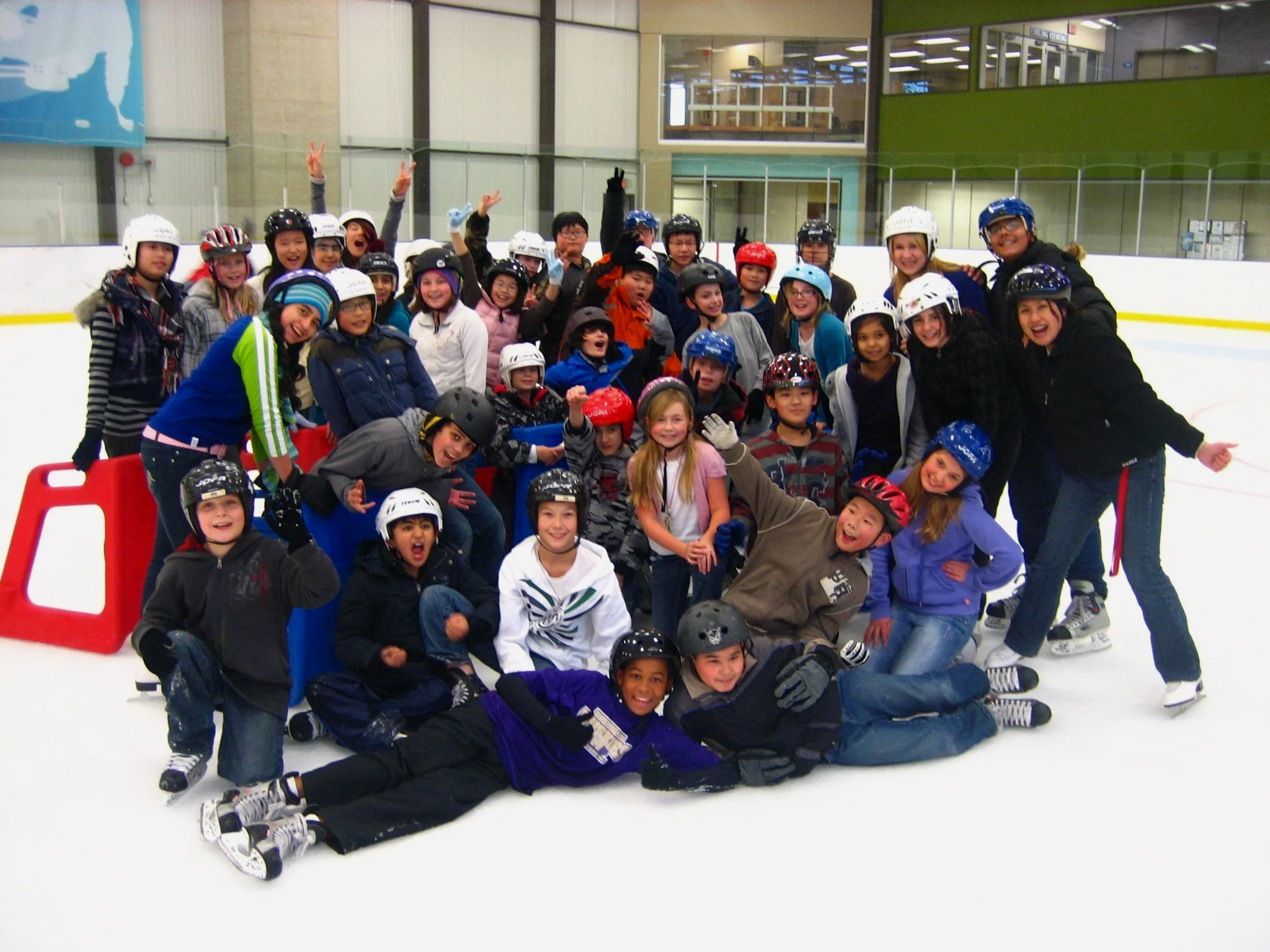
Wth my practicum class during my teacher training -Pearlynne, far right
Coming Full Circle
In many ways, the work I do today brings me back to Kimberley.
She taught me something I couldn't understand as a young tutor: sometimes the problem isn't the chapter a student is struggling with today.
The real problem may have begun years earlier.
Today, when a student comes to me several years behind, discouraged, anxious, or convinced they simply aren't a “math person,” I see possibility.
Because I've learned that rebuilding math foundations can mean far more than changing a grade.
It can change what a young person believes about themselves, and it can open up academic possibilities they once thought were out of reach.
And that is why I do this work.
Rebuilding Math Foundations. Restoring Confidence. Transforming Futures.
To Your Best Self,

Founder, Pro Math Coach | Creator of Simplicity Counts™ Math System